Concrete-Free Footings vs Traditional Concrete: The Complete Comparison
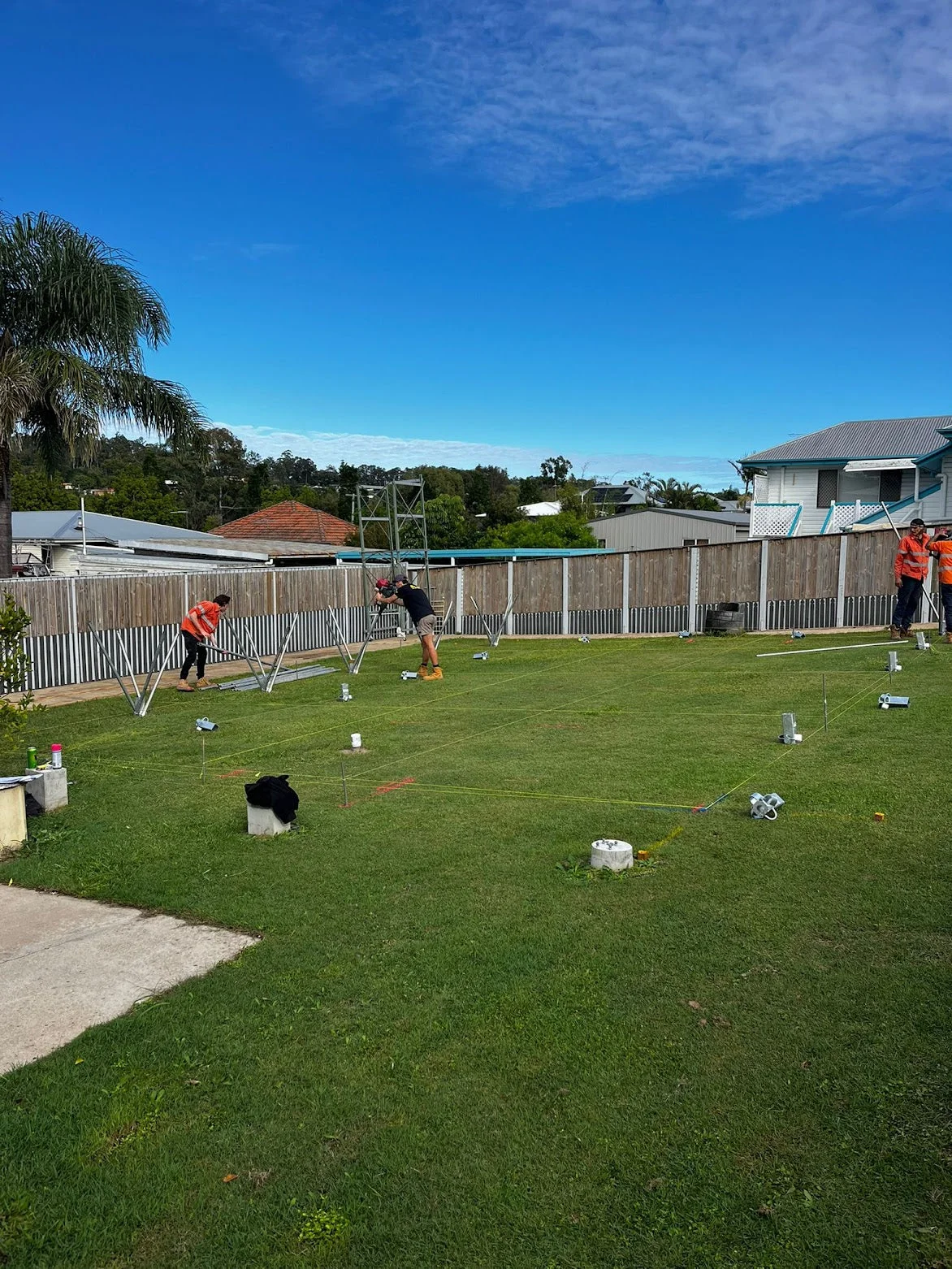
For decades, concrete has been the default material for building footings across Victoria. But a new generation of engineered footing systems is changing the way Melbourne builders approach foundations. Concrete-free footings, including systems like RapidStump, StumpRite, and SurePile from BMSA Footing Solutions, are now a genuine alternative that delivers faster installation, lower environmental impact, and the ability to build immediately after installation.
In this guide, we break down exactly how each approach works, compare them side by side, and help you decide which option is right for your next project.
How Traditional Concrete Footings Work
Traditional concrete footings have been the standard in Australian construction for over a century. The process follows a well-established sequence:
- Excavation. Holes or trenches are dug to the required depth based on soil classification and engineering specifications.
- Formwork. Timber or steel forms are set up to contain the concrete pour and create the desired footing shape.
- Steel reinforcement. Reinforcing bars (rebar) or mesh are positioned within the formwork.
- Concrete pour. Ready-mix concrete is delivered by truck and poured into the forms.
- Curing. The concrete must cure for a minimum of 7 days before any load can be applied, with full strength reached at 28 days.
This process is well understood, but it introduces several constraints: weather dependency (concrete cannot be poured in rain or extreme temperatures), curing delays, the need for concrete truck access, and significant site disturbance from excavation.
How Concrete-Free Footings Work
Concrete-free footing systems are engineered steel foundations that are mechanically installed into the ground without any concrete. BMSA Footing Solutions manufactures three primary systems, each designed for different applications:
- RapidStump. A driven steel stump system ideal for restumping, decks, and light residential structures. Installed by driving directly into the ground.
- StumpRite. A versatile drive-in footing system suited to new builds, extensions, and medium-load applications.
- SurePile. A helical screw pile system designed for deeper foundations, commercial projects, and challenging soil conditions.
The key advantage across all three systems is the same: once installed, you can begin building immediately. There is no curing time, no weather dependency, and no need for concrete trucks to access your site.
Side-by-Side Comparison
| Factor | Traditional Concrete | Concrete-Free Systems |
|---|---|---|
| Installation time | 1-3 days + curing | Hours to 1 day |
| Curing time | 7-28 days | Zero. Build immediately |
| Weather dependency | Cannot pour in rain or extreme heat | Install in any weather |
| Site access needed | Concrete truck access required | Minimal (compact equipment only) |
| Excavation | Significant digging required | Minimal to no excavation |
| Environmental impact | High (concrete production is carbon-intensive) | Low (steel is recyclable, minimal waste) |
| Engineer certified | Yes | Yes (fully certified to Australian standards) |
| Soil suitability | Most soil types | Most soil types including reactive clay |
Cost Comparison
At first glance, the material cost of a concrete-free footing system may appear similar to or slightly higher than traditional concrete on a per-footing basis. However, the total project cost tells a different story:
- No concrete truck delivery fees. Concrete delivery charges can add hundreds of dollars, especially for smaller pours or sites with limited access.
- Reduced labour costs. Faster installation means fewer labour hours on site.
- No formwork costs. Timber formwork materials and the labour to set them up are eliminated.
- No weather delays. Rain days don't push your schedule back, avoiding costly idle time for trades waiting on cured footings.
- Faster project completion. Building can begin the same day, compressing the overall project timeline and reducing holding costs.
For most residential projects in Melbourne and Victoria, concrete-free systems deliver a lower total installed cost when all factors are considered.
Environmental Benefits
Concrete production is one of the largest sources of industrial carbon emissions globally, responsible for roughly 8% of worldwide CO2 output. Every cubic metre of concrete used in footings contributes to this environmental burden.
Concrete-free footing systems offer a measurably lower environmental footprint:
- Zero concrete waste. No excess concrete, no washout water, no contaminated soil.
- Recyclable materials. Steel footing systems can be fully recycled at end of life.
- Minimal site disturbance. Less excavation means less disruption to vegetation, tree roots, and existing landscaping.
- Smaller equipment footprint. No need for concrete trucks, pumps, or large excavators on site.
When to Choose Each Option
Concrete-free footings are ideal for:
- Deck and pergola footings
- House restumping and relevelling
- Shed and garage foundations
- Home extensions and additions
- Sites with limited access (no concrete truck entry)
- Projects on tight timelines
- Wet weather conditions
Traditional concrete may still be preferred for:
- Large commercial slab-on-ground foundations
- Deep basement or retaining wall footings
- Projects where concrete is already being used extensively on site
For the vast majority of residential and light commercial projects across Melbourne and regional Victoria, concrete-free systems now offer a faster, more cost-effective, and more sustainable alternative.
Frequently Asked Questions
Are concrete-free footings as strong as concrete?
Yes. All BMSA footing systems are fully engineered and certified to meet Australian building standards. They are designed to carry the required loads for each specific application, just like concrete footings.
Do I need council approval for concrete-free footings?
The same permit requirements apply regardless of the footing type. If your project requires a building permit, your concrete-free footings will be covered under that permit with appropriate engineering certification. Read more in our Victorian building regulations guide.
How long do concrete-free footings last?
BMSA footing systems are manufactured from galvanised or coated steel and are designed for the same structural lifespan as the buildings they support. They are engineered to resist corrosion in Victorian soil conditions.
Can I use concrete-free footings on reactive clay soil?
Yes. Concrete-free systems perform well in reactive clay soils, which are common across Melbourne's western and northern suburbs. The systems are engineered to accommodate soil movement. Learn more about screw pile footings and Melbourne soils.
Ready to go concrete-free?
Contact Easy Footings for expert advice on the best footing system for your Melbourne or Victorian project. We'll help you choose between RapidStump, StumpRite, and SurePile based on your specific requirements.
Get in Touch